
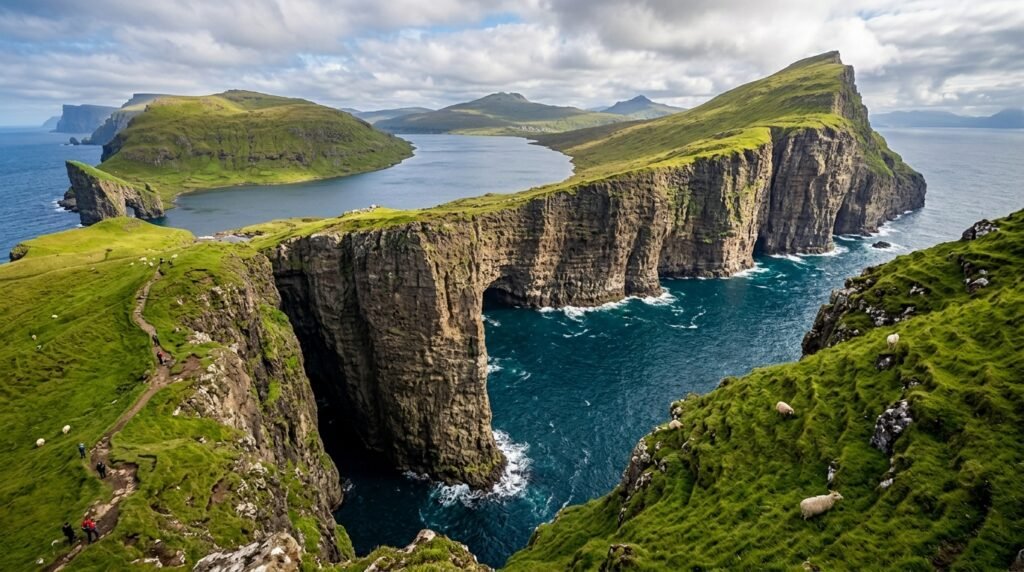

Understanding where faroe islands sit on the world map opens the door to a world of endless wonders. This stunning group of eighteen rocky islands rests quietly in the northern Atlantic Ocean. If you draw a straight line between Iceland and Scotland, you will find this gorgeous haven sitting right in the middle. The sharp cliffs rise dramatically out of the cool blue water. Big green mountains cover every single island. You can easily find where faroe islands are located by zooming into Northern Europe on any modern map app.
How to Find Where Faroe Islands Are Located Easily
Finding where faroe islands sit takes just a few quick seconds when you search near the Norwegian Sea. These ocean islands sit far north, roughly halfway between Norway and Iceland. Maps show them clustered together like a set of bright green stepping stones. Even though they seem isolated, reaching them is surprisingly fast and effortless. Modern international flights carry eager travellers straight to Vágar Airport every single day. Now that you know where faroe islands are on the globe, planning your dream journey becomes a fun adventure.
The Fascinating History of the Northern Islands
Long ago, brave Irish monks traveled north across the sea to settle on these quiet, windswept shores. Later, strong Viking sailors arrived on wooden ships and established permanent farming communities across the rich valleys. The settlers built sturdy turf-roof homes that kept families warm during cold northern winters. Over many centuries, local people created a rich culture full of traditional songs, chain dancing, and storytelling. Today, the local population preserves ancient traditions while welcoming visitors from every corner of the globe. Learning about local history helps you connect deeply with every picturesque village you explore.
Flying and Travelling to the North Atlantic
Getting to where faroe islands are takes just a short two-hour flight from major European capitals. You can board comfortable flights in Copenhagen, Edinburgh, or Reykjavik and touch down swiftly. Year-round car ferries also sail directly from Denmark and Iceland for those who love ocean travel. Smooth paved highways and long under-sea tunnels make driving between major islands simple and quick. Many ocean lovers who study where faroe islands rest prefer taking a scenic ferry ride across the sea. Whichever path you choose, the open road leads straight to breathtaking mountain views.
Weather and Best Seasons to Plan Your Trip
The climate where faroe islands exist stays surprisingly mild throughout the year thanks to warm ocean currents. Summer months bring long sunny days with cool breezes that make outdoor hiking very enjoyable. Springtime brings green grass and millions of nesting seabirds along the steep coastal cliffs. Autumn turns the high mountain peaks gold while winter offers stunning snowy views and northern lights. Because weather shifts quickly, visitors should pack strong rain jackets and sturdy hiking boots. Knowing where faroe islands sit helps you pack smart layers for every sudden weather change.
Quick Reference Facts for Visitors
| Feature | Details & Useful Information |
| Global Region | Northern Europe, North Atlantic Ocean |
| Exact Location | Halfway between Iceland and Scotland |
| Total Islands | 18 rugged volcanic islands |
| Capital City | Tórshavn (Located on Streymoy island) |
| Local Currency | Faroese króna / Danish krone (DKK) |
| Primary Airport | Vágar Airport (FAE) |
| Popular Wildlife | Atlantic puffins, sea eagles, and wild sheep |
| Best Travel Months | May through September for long daylight hours |
Iconic Attractions in the Island Chain
The grand waterfalls where faroe islands slope down into the ocean will blow your mind away. Múlafossur Waterfall cascades directly into the roaring sea next to a tiny, peaceful village. Another famous spot is Lake Sørvágsvatn, an optical illusion lake that appears to float above ocean waters. Towering sea stacks like Drangarnir draw photographers from all around the planet. You can hike along green ridge lines or sail past gigantic bird cliffs. Knowing where faroe islands house these landmarks makes planning your photo stops extremely easy.
Charming Coastal Villages to Visit
Tiny settlements scatter across the green valleys where faroe islands touch the calm ocean bays. Charming grass-roof houses painted in bright reds, blues, and blacks line every quiet street. The capital city, Tórshavn, combines old wooden government buildings with modern cafes and shops. Remote places like Saksun offer calm lagoons surrounded by high waterfalls and giant slopes. Friendly locals welcome visitors with genuine smiles, rich tales, and tasty local dishes. Finding where faroe islands host these quiet towns gives you a relaxing, stress-free vacation.
Unique Culture and Delicious Local Food
Faroese culture grows directly out of the deep blue sea and green grassy hillsides. Local chefs prepare fresh ocean seafood, tender lamb, and traditional fermented dishes with pride. You can dine at world-class restaurants or enjoy home-cooked meals inside warm local houses. Local artisans hand-knit soft wool sweaters using traditional patterns handed down for ages. Music festivals, art galleries, and rowing races bring communities together throughout the bright summer. Discovering where faroe islands celebrate their living culture creates magical memories that stay with you forever.
Driving, Tunnels, and Island Transport
Exploring where faroe islands stretch out is an exciting road-trip dream for independent travelers. Modern subsea tunnels feature underwater roundabouts that quickly connect major island routes. Car rental options are plentiful at the airport, making self-guided tours fast and convenient. Scenic mountain drives offer breathtaking ocean vistas around every single twist and turn. Local passenger ferries and public helicopters connect smaller, remote islands easily for travelers. Knowing where faroe islands build smart roads helps you move smoothly from one island to another.
Outdoor Hiking Trails and Wildlife Tours
High-altitude hiking paths cross through lush grassy valleys where faroe islands keep wild nature pure. Marked trails lead adventurous walkers toward high lighthouse viewpoints and sheer cliff drops. Cute Atlantic puffins nest along the steep grassy cliffs of Mykines during summer. Seals swim in sheltered fjords while fluffy sheep graze peacefully along open mountain paths. Always follow local trail safety rules to protect fragile grasses and nesting bird grounds. Understanding where faroe islands protect nature ensures safe, memorable hikes for every traveler.
Helpful Tips for First-Time Visitors
Planning carefully before flying to where faroe islands sit makes your journey smooth and fun. Book your car rental and cozy hotels months ahead because popular spots fill up fast. Always carry a physical card or cash since phone payments do not work everywhere. Respect private farmland and check if your hiking trail requires a small local fee. Charge your cameras fully because every turn presents a breathtaking photo opportunity. Pinpointing where faroe islands welcome guests lets you relax and enjoy a seamless ocean getaway.
Frequently Asked Questions
Where faroe islands sit in Europe?
The Faroe Islands sit in Northern Europe inside the North Atlantic Ocean. They rest halfway between Iceland and Scotland, right near the edge of the Norwegian Sea.
Do you need a car when visiting?
Renting a car is the best way to explore at your own pace. Well-paved roads, bridges, and subsea tunnels connect most major islands together seamlessly.
What is the best month to visit?
June, July, and August offer warm days, long sunlight, and bright green landscapes. Puffins are abundant on coastal cliffs during these pleasant summer months.
Is it safe for solo travellers?
Yes, the islands are extremely safe with low crime rates and friendly local people. You can hike, drive, and explore peacefully throughout your entire vacation.
What language do locals speak?
Locals speak Faroese, an ancient Germanic language closely tied to Old Norse. Almost everyone speaks fluent English, so communication is clear and effortless for tourists.
How long should I stay?
A seven-day trip gives you enough time to explore main sights, hike scenic trails, and visit outer islands comfortably.
Start Planning Your Unforgettable Island Escape Today!
Now that you know where faroe islands lie on the global map, it is time to turn your dream trip into reality. Pack your warm jacket, grab your camera, and book your tickets to this pristine Atlantic paradise. Majestic mountains, roaring ocean waterfalls, and charming seaside towns are waiting to welcome you. Start planning your adventure today and share this helpful guide with your favorite travel buddies!